GSM Fabric Weight Guide: Choosing the Right Weight for Tees & Hoodies
GSM measures fabric weight, and it's the single biggest factor in how a blank garment feels, drapes, and performs. Here's what the numbers actually mean and how to pick the right one.
What Does GSM Mean?
GSM stands for grams per square metre — a direct measurement of how much a single square metre of fabric weighs. It's the industry-standard way to describe how heavy or light a garment's fabric is, independent of the garment's size.
A higher GSM means a denser, heavier fabric. A lower GSM means a lighter, more breathable one. Neither is inherently better — the right weight depends entirely on what the garment is for.
Tee Weights: What The Range Means
Lightweight tees, typically in the 150-180 GSM range, are built for warm-weather wear, activewear, and everyday comfort. They breathe well and layer easily, but can feel less substantial and may show more movement or translucency in lighter colours.
Mid-weight tees, generally 190-220 GSM, are the most common choice for retail blanks and merch. They strike a balance between structure and comfort, hold print and embroidery cleanly, and suit most decoration methods without the fabric feeling thin.
Heavier tees above 220 GSM have more presence and drape, common in premium streetwear and boxy-fit designs. They cost more to produce and ship, so they're usually reserved for products where that weight is part of the design intent.
Hoodie & Fleece Weights: What Changes at Each Level
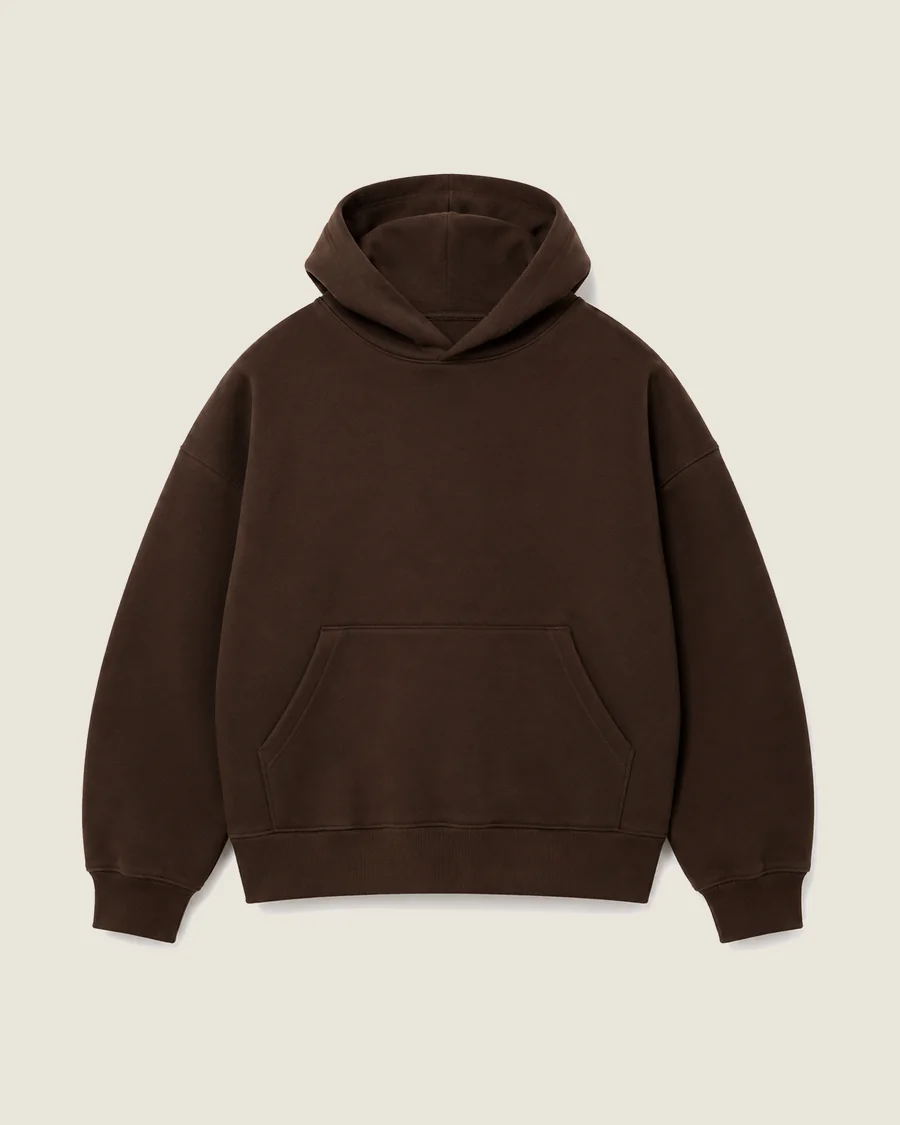
Fleece is measured the same way, but the practical range sits higher — typically 280 GSM through to 400+ GSM for premium streetwear hoodies.
At 300 GSM, a hoodie feels warm and structured without excess bulk — a strong everyday option for retail and custom branding, since it holds shape well without adding significant cost or weight to shipping.
At 360 GSM and above, a hoodie has real physical presence: thicker cuffs, a heavier drape, and a premium feel that's become the standard for elevated streetwear and higher-end merch drops. It costs more to produce, but the difference is immediately noticeable when someone puts it on.
How To Choose
Think about how the garment will actually be worn. Everyday retail blanks and uniforms usually do best in the mid-weight range — comfortable, durable, and cost-effective at volume. Premium or statement pieces can justify a heavier fabric, since the weight itself becomes part of the perceived quality.
Decoration method matters too. Screen printing and embroidery both perform well across most weights, but very lightweight fabrics can show print through to the reverse side, and very heavy fabrics can make embroidery sit slightly proud rather than flat.
If you're not sure, request swatches before committing to a bulk order. Feeling the actual fabric weight in hand is the fastest way to know if it matches what you had in mind.