Screen Printing vs Embroidery: Which Suits Your Blank? (NZ Guide)
Screen printing and embroidery suit different blanks and budgets. Here's how the two methods compare and how to choose the right one.
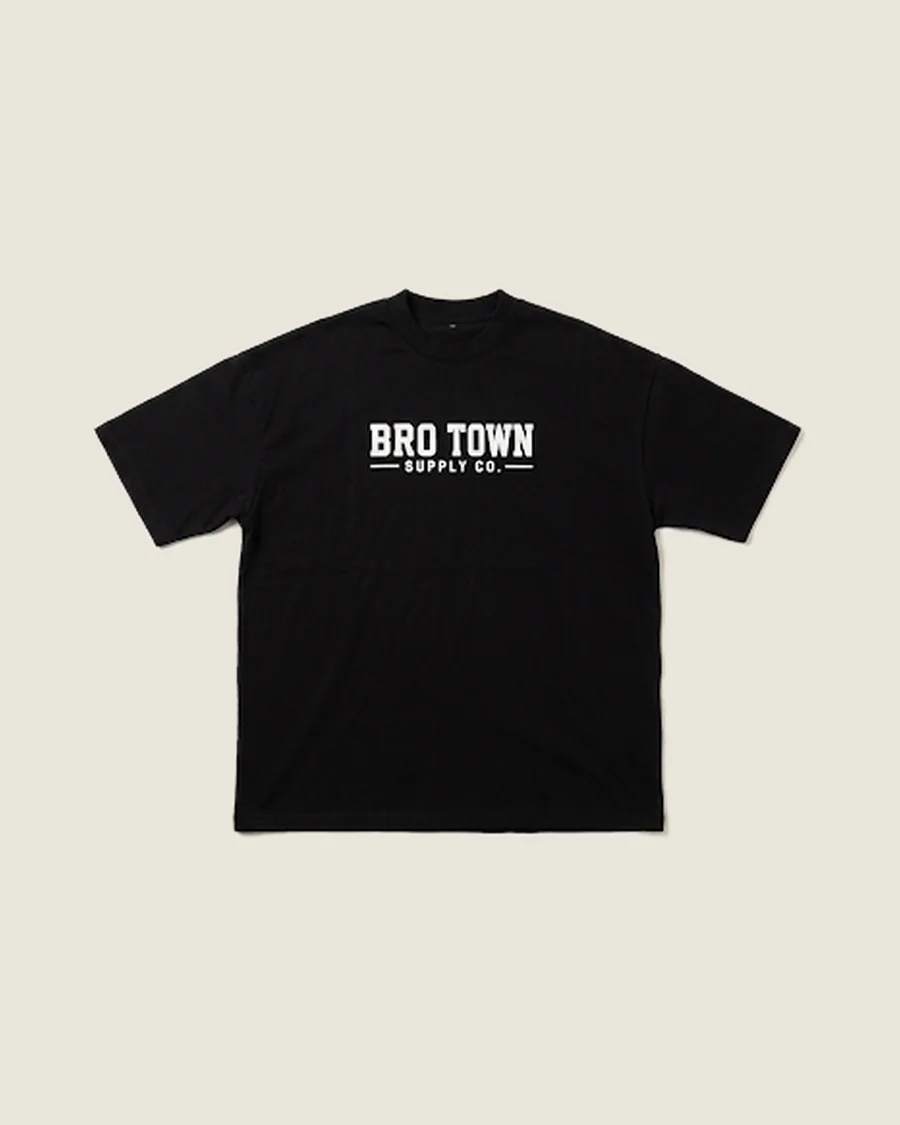
How Each Method Actually Works
Screen printing pushes ink through a fine mesh stencil directly onto the fabric, one colour at a time, then cures it with heat so the ink bonds permanently to the fibres. It's essentially a controlled stain — the ink sits in and on the fabric rather than on top of it.
Embroidery is a mechanical process. A digitised version of your logo tells the machine exactly where to stitch, building the design up in thread rather than ink. The result is raised, textured, and physically part of the garment rather than printed onto it.
Which Blanks Suit Each Method
Flat, tightly-woven mid-weight cotton — like the 190-220 GSM Bro Town OG — is the classic screen-print surface. The weave is tight enough to stop ink bleed and the surface is flat enough to hold fine detail, which is why it's the default for front/back merch graphics.
Structured, stable fabrics do best under a needle. Pique polos are the textbook embroidery blank — the fabric holds tension evenly so stitching sits flat instead of puckering, which is exactly why embroidery is the industry standard for corporate polos and structured caps rather than screen print.
Fabric weight matters here too, not just weave. Heavier fleece takes embroidery differently to a lightweight tee, and lighter fabrics can show more print-through than mid-weight ones. Our GSM Fabric Weight Guide breaks down what those weight ranges actually mean if you're choosing a blank with decoration in mind.
Heavier hoodies and crewnecks handle either method well, so the deciding factor there usually comes down to design size and budget rather than the fabric itself.
Cost and Durability Trade-Offs
Screen printing cost is driven by colour count — each colour needs its own screen and setup, so it's cheap per unit at volume for one or two colours but gets expensive fast on small runs with lots of colours. Ink can also crack or fade over years of washing, especially on lighter-weight fabric.
Embroidery is priced by stitch count, so cost per item stays roughly the same whether you order 20 or 2,000 — it doesn't get cheaper at volume the way screen printing does. What you get in return is durability: thread doesn't crack, peel, or fade, and a well-embroidered logo will often outlast the garment.
Design Complexity: What Each Method Handles Best
Screen printing handles detail that embroidery physically can't — gradients, halftones, photographic imagery, and large-format graphics all belong in print.
Embroidery has a practical ceiling. Very fine linework or small text can blur into a blob of thread once stitched, so logos need to be digitised and simplified first — as a rule of thumb, anything under about 6mm text height needs rework before it'll stitch cleanly.
If a brand wants both methods across one collection — a printed hero graphic on the hoodie, embroidery on the quieter polo — our full-service production can run mixed decoration across a single order, so you're not managing two separate suppliers.